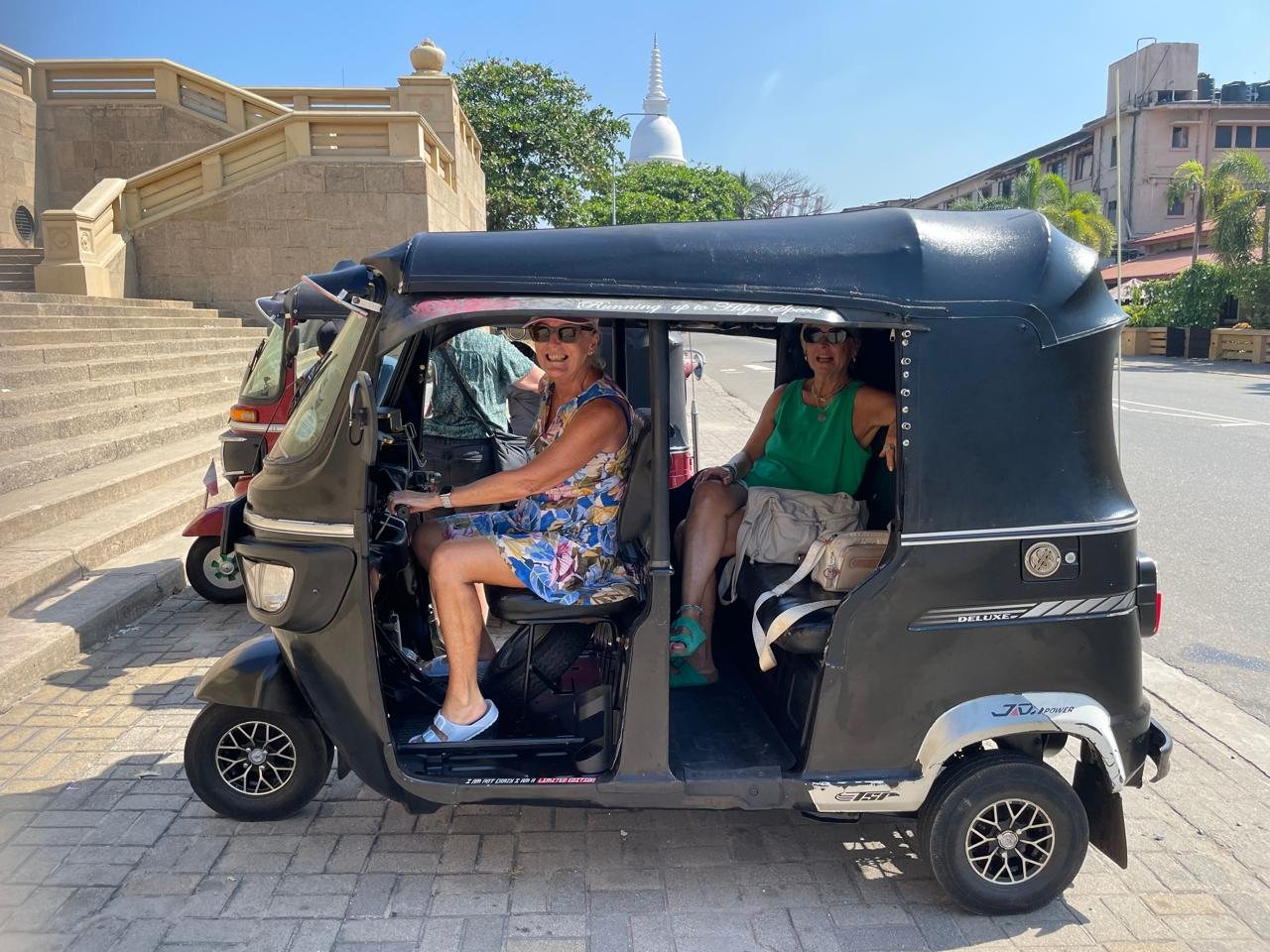
Colombo is often treated as a quick stop before travellers head toward Sri Lanka’s beaches, wildlife parks or hill country. But spend one day exploring the city properly and you will discover colourful markets, sacred temples, colonial architecture, oceanfront sunsets and some of the best street food in Sri Lanka.
The challenge is not finding things to do in Colombo. It is fitting the best experiences into one day without spending most of your time navigating traffic or searching for the next stop.
This Colombo one-day itinerary groups the historic streets of Fort and Pettah, religious sites, modern landmarks and the Galle Face waterfront into a full-day plan. With only a few hours available, use our Colombo attractions shortlist to choose a smaller route around your interests.
Why Explore Colombo by Tuk Tuk?
Colombo is made up of busy main roads, narrow market lanes, waterfront neighbourhoods and attractions spread across several districts. Many of the city’s most interesting places are easier to reach in a tuk tuk than in a large tour vehicle.
A private tuk tuk tour also gives you the freedom to stop for photographs, taste local food, adjust the route and spend more time at the places that interest you. Instead of simply looking at Colombo through a vehicle window, you travel close to the streets, sounds and daily life of the city.
Your Colombo One-Day Itinerary at a Glance
- Morning: Colombo Fort, Pettah Market and Red Mosque
- Late morning: Hindu temple and Gangaramaya Temple
- Afternoon: Independence Square, Town Hall and local food
- Evening: Galle Face Green and an Indian Ocean sunset
This is a full-day planning outline, not a promise to visit all 15 suggestions on a four-hour tour. Pick your priorities and leave room for travel, meals and any longer temple or museum visits.
1. Begin in Historic Colombo Fort
Start your Colombo city tour in Fort, the commercial and historical centre of the city.
Modern office towers now stand beside colonial buildings, old trading streets and landmarks connected to Colombo’s maritime history. As you travel through the area, look out for the Old Parliament Building, the lighthouse area, the Clock Tower and the restored Dutch Hospital precinct.
Fort is the perfect introduction to Colombo because it shows how the city has developed from an important port into Sri Lanka’s modern commercial capital.
Local tip: Start early in the morning when the streets are cooler and traffic is lighter.
2. Experience the Energy of Pettah Market
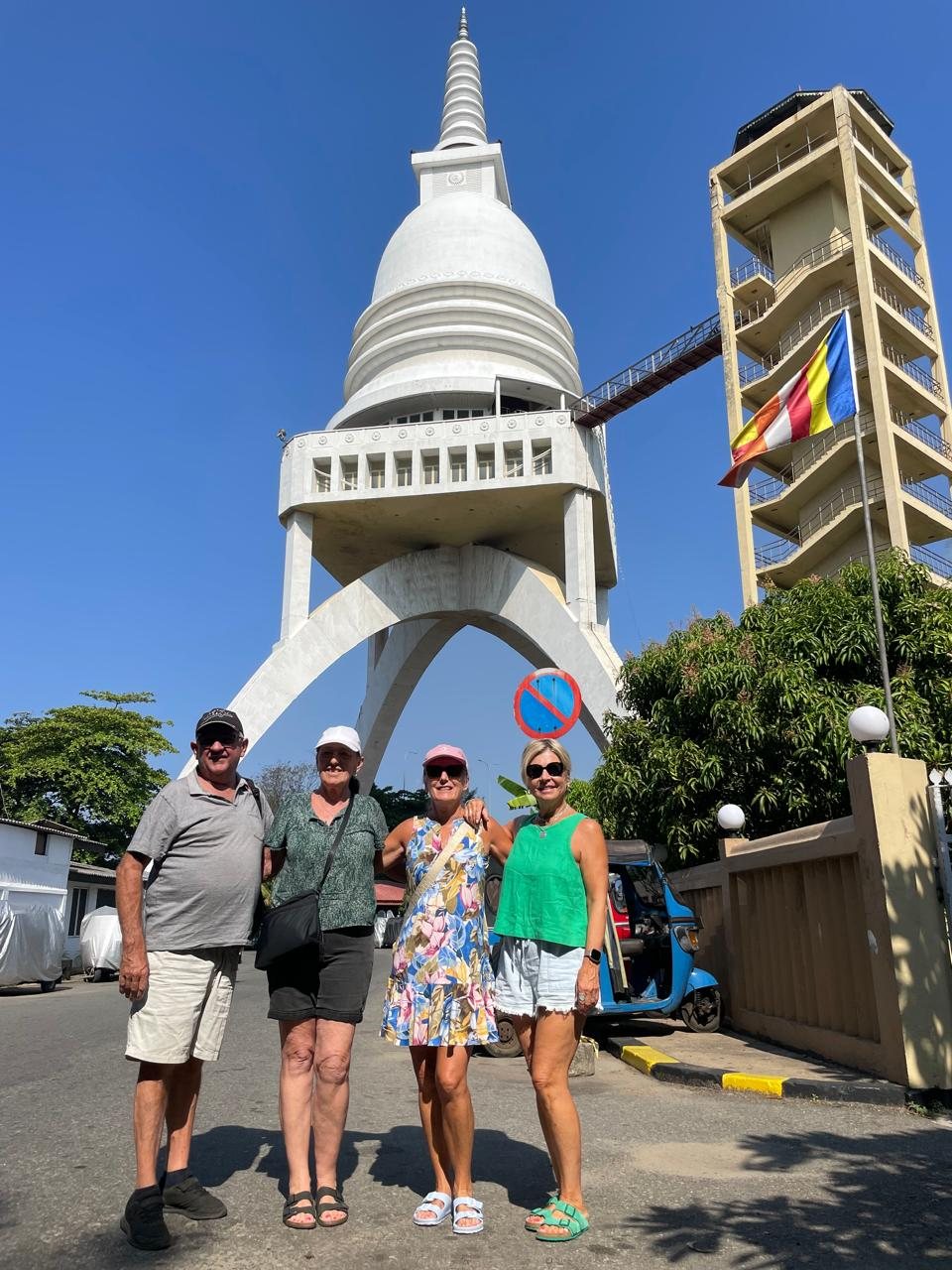
From Fort, continue into Pettah Market, one of the most colourful and energetic parts of Colombo.
Each street has its own speciality. You may pass shops selling textiles, fruit, spices, electronics, jewellery, household products and traditional ingredients. Vendors call out to customers while tuk tuks, carts and pedestrians move through the narrow streets.
Pettah is not a polished tourist attraction. It is a working market and one of the best places to observe everyday life in Colombo.
Wear comfortable footwear, keep your belongings secure and visit with someone who knows the area. The market’s maze of specialised streets can be difficult for first-time visitors to navigate alone.
3. Photograph the Red Mosque
Hidden among the crowded streets of Pettah is one of Colombo’s most recognisable buildings: the Jami Ul-Alfar Mosque, commonly called the Red Mosque.
Its red-and-white patterned exterior, arches and towers make it an unforgettable photography stop. The contrast between the mosque’s detailed architecture and the surrounding market streets creates one of the most distinctive scenes in Colombo.
The mosque remains an active place of worship. Visitors should dress modestly, remove their shoes when entering and avoid visiting during prayer times. Access can vary, but the exterior alone is worth seeing.
4. Discover Colombo’s Multicultural Heritage
One of the most fascinating things about Colombo is how Buddhist temples, Hindu kovils, mosques and churches exist close to one another.
A short ride from Pettah takes you past colourful Hindu temples decorated with detailed statues of deities. Depending on your chosen route and available time, your guide may stop at Sri Kailawasanathan Swami Devasthanam or another historic kovil.
These religious sites demonstrate the multicultural identity that has shaped Colombo over generations.
Always cover your shoulders and knees when entering religious places. Shoes and hats should normally be removed before entering temple areas.
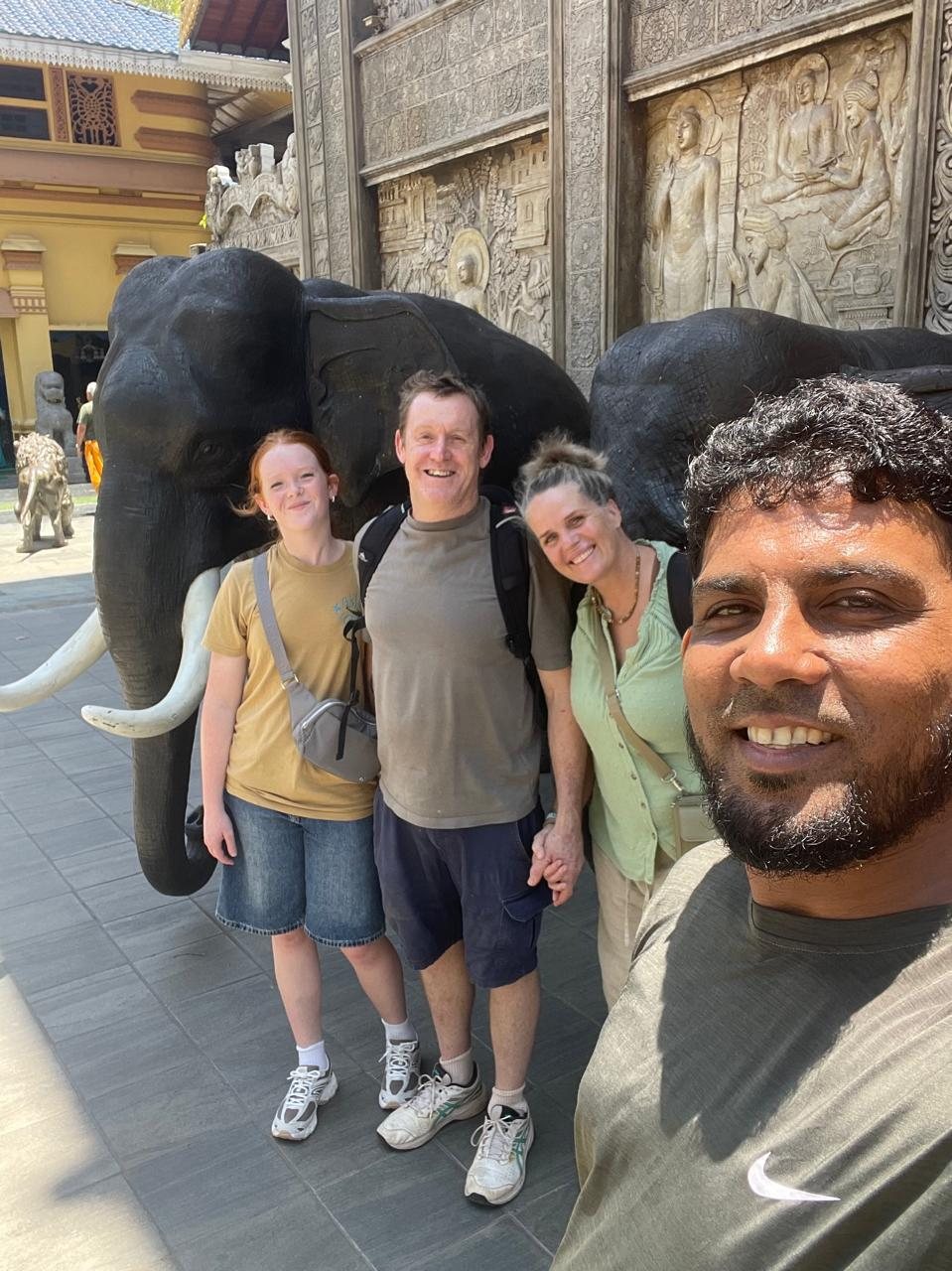
5. Visit Gangaramaya Temple
Gangaramaya Temple is one of Colombo’s best-known Buddhist temples and an essential stop for travellers interested in Sri Lankan religion, architecture and history.
The temple complex contains Buddha statues, religious objects, artwork and collections donated over many years. Its architecture combines several Asian influences, giving different parts of the temple their own character.
Nearby, Seema Malaka creates a calmer atmosphere beside Beira Lake. Together, the two locations offer a memorable contrast to Colombo’s crowded streets.
Dress respectfully and be prepared to remove your shoes. Entrance conditions and fees can change, so check the latest information before visiting.

6. See the Colombo Lotus Tower
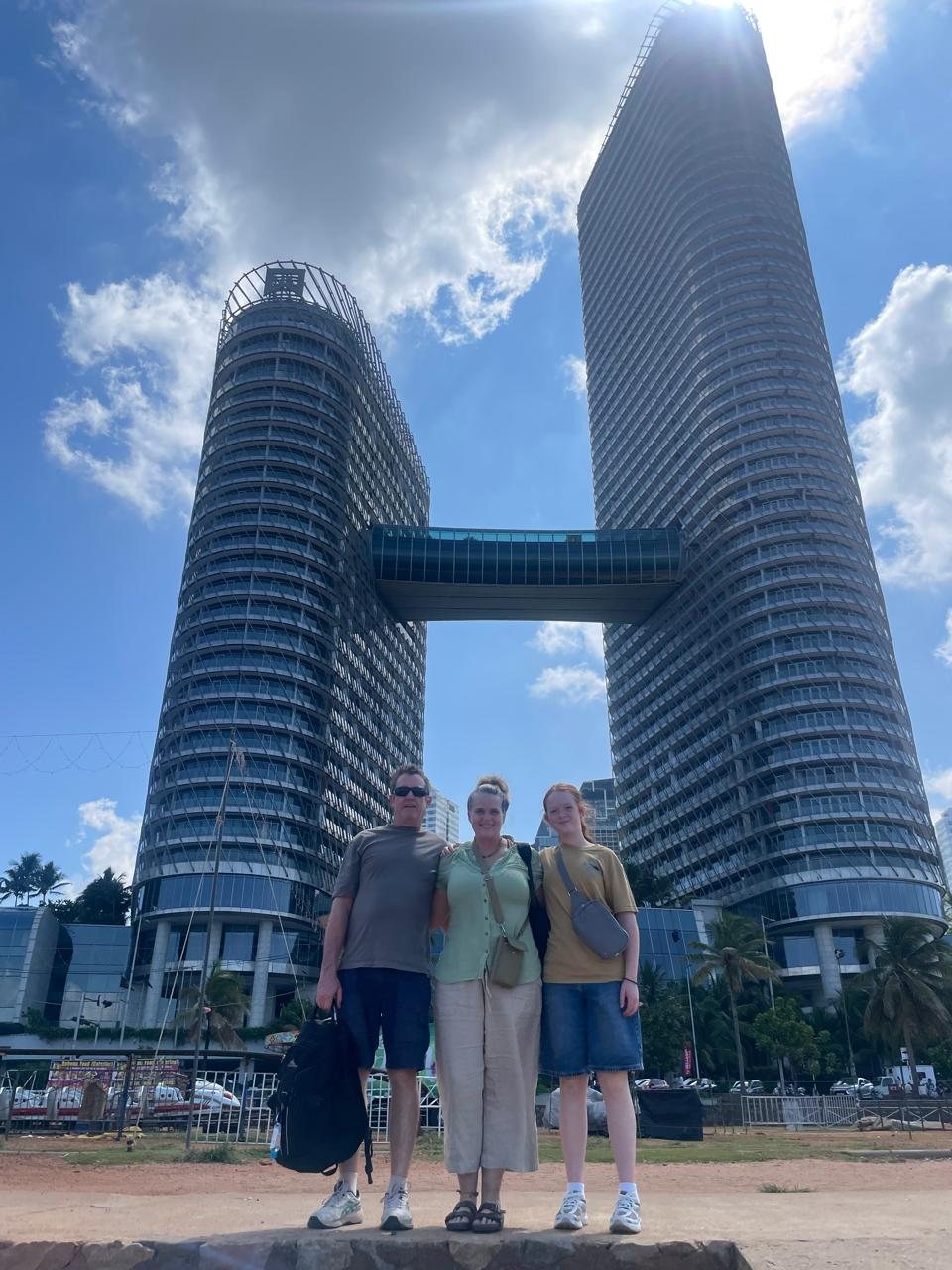
The Colombo Lotus Tower dominates the skyline and has become one of the city’s most recognisable modern landmarks.
Its lotus-inspired design is visible from many areas around Beira Lake. Travellers with enough time can visit the tower, while visitors following a shorter itinerary can stop at a good viewpoint for photographs.
The tower is especially impressive during the evening when its exterior lighting becomes visible across the city.
7. Ride Past Beira Lake and Slave Island
The streets around Beira Lake and Slave Island reveal another side of Colombo.
Here, older neighbourhoods, religious buildings and railway lines sit close to modern hotels, apartment towers and commercial developments. A tuk tuk is ideal for exploring these contrasting streets because it can move through routes that larger tour vehicles often avoid.
Ask your local guide about the history behind the neighbourhood names and the communities that shaped this area.

8. Stop at Viharamahadevi Park and Colombo Town Hall
Continue toward Colombo 7, one of the city’s greener and more spacious areas.
Viharamahadevi Park is Colombo’s largest central park and sits opposite the impressive white Colombo Town Hall. The surrounding area offers wide roads, shady trees and a noticeably calmer atmosphere than Pettah.
It is a convenient place for a short break, a photograph of Town Hall or a refreshing king coconut.
9. Explore Independence Memorial Square
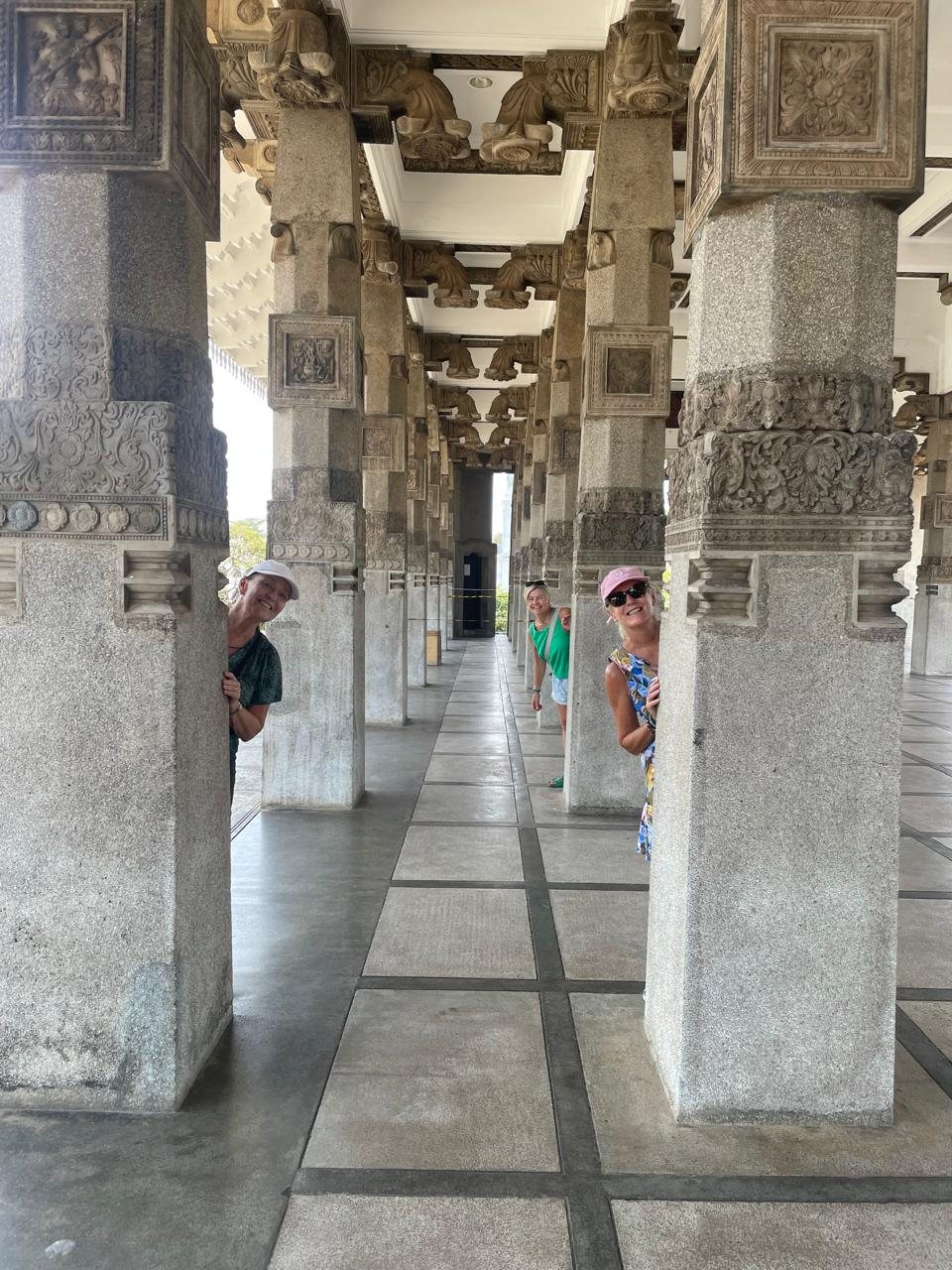
Independence Memorial Hall commemorates Sri Lanka’s independence from British rule and is one of Colombo’s most important national landmarks.
The stone memorial, open grounds and traditional architectural details make this one of the city’s best photography stops. Local residents also use the surrounding paths for exercise and evening walks.
Your guide can explain the symbolism incorporated into the structure and the importance of the site in Sri Lanka’s modern history.
10. Taste Authentic Sri Lankan Street Food
No Colombo itinerary is complete without trying local food. Depending on the time of day, you might taste:
- Hoppers with sambol
- Kottu roti
- Isso wade
- Vegetable roti or samosas
- Fresh tropical fruit
- King coconut
- Ceylon tea
A local guide is useful because they can take you to trusted vendors rather than places created only for tourists. Tell your guide about allergies, dietary restrictions and your preferred spice level before ordering.
11. Try a Ceylon Tea Experience
Sri Lanka is famous around the world for Ceylon tea, and Colombo offers plenty of opportunities to taste it without travelling to the hill country.
A tea stop can introduce you to different varieties, growing regions and preparation methods. It is also a comfortable way to rest during the hottest part of the afternoon.
Tea tasting works particularly well between the cultural sightseeing section of the tour and the final waterfront stops.
12. See Colombo’s Colonial Architecture
Throughout your tuk tuk journey, you will pass buildings influenced by Portuguese, Dutch and British periods as well as modern Sri Lankan architecture.
Look out for old commercial buildings in Fort, churches and administrative buildings around Pettah, and the grand civic structures of Cinnamon Gardens.
Many travellers rush past these buildings without understanding their stories. Exploring with a knowledgeable local guide transforms them from attractive façades into meaningful parts of Colombo’s history.
13. Walk Along Galle Face Green
Finish the main sightseeing route at Galle Face Green, Colombo’s famous oceanfront promenade.
Families fly kites, friends gather beside the sea and food vendors prepare snacks as the sun begins to set. It is one of the best places to experience Colombo’s evening atmosphere.
Try an isso wade, walk beside the Indian Ocean or simply sit and watch the city slow down after a busy day. Galle Face Green has long been one of Colombo’s most popular public gathering places.
14. Watch the Sunset Over the Indian Ocean
A Colombo sunset is the perfect ending to your one-day tour.
The light changes quickly over the Indian Ocean, creating excellent photographs from Galle Face Green and the surrounding waterfront. Arrive before sunset so you have enough time to explore, find a good viewpoint and enjoy the atmosphere.
On cloudy evenings, the sky can still produce dramatic colours after the sun moves below the horizon.
15. Experience Colombo After Dark
Travellers who still have energy can continue into the evening.
Colombo’s illuminated skyline, Lotus Tower, restaurants and busy night streets create a different atmosphere after dark. You could extend the experience with a Sri Lankan dinner, a night tuk tuk ride or a visit to a rooftop viewpoint.
An evening extension is especially suitable for travellers staying overnight in Colombo.
Is One Day Enough for Colombo?
One day is enough to see Colombo’s main highlights, provided your route is planned efficiently.
A four-hour itinerary can cover the most important landmarks. A six-hour tour allows more time for temple visits, local food, markets and photographs. Travellers interested in museums, architecture or food may prefer a full day.
The advantage of a private tour is that the itinerary can be adjusted around your arrival time, interests and onward travel plans.
Is This Itinerary Suitable for Cruise Passengers?
Yes. A private tuk tuk tour can be adapted for travellers arriving at Colombo Port.
Cruise passengers should confirm their ship’s arrival time, required return time and pickup arrangements before booking. Always leave a generous buffer for returning to the port, particularly during busy traffic periods.
A shorter route can prioritise Pettah, the Red Mosque, Gangaramaya Temple, Independence Square and Galle Face Green.
What Should You Wear?
Colombo is warm and humid for much of the year, so lightweight clothing is recommended. Bring:
- Comfortable footwear
- Sun protection
- Drinking water
- A small umbrella or rain jacket
- Clothing that covers shoulders and knees for religious sites
- A secure bag for markets
- A phone or camera for photographs
Avoid wearing footwear that is difficult to remove because several religious sites require visitors to leave shoes at the entrance.
When Is the Best Time for a Colombo Tuk Tuk Tour?
Morning tours usually offer cooler weather, active markets and softer photography light.
Afternoon tours can be warmer but finish conveniently at Galle Face Green for sunset. Evening tours are ideal for travellers interested in street food, illuminated landmarks and Colombo’s nightlife.
The best option depends on your arrival schedule and the experiences you value most.
Explore Colombo With a Local Guide
Colombo becomes far more interesting when you understand the stories hidden behind its streets. Move easily between markets, temples, colonial buildings, food stalls and the waterfront while exploring at your own pace.
Explore private Colombo tuk tuk toursContinue Planning Your Colombo Visit
- Colombo Tuk Tuk Tour Guide — Planning a Colombo tuk tuk tour? Compare routes, prices, safety, pickup, temple etiquette and booking tips from local Colombo guides.
- Colombo Cruise Port Shore Excursion — Plan a Colombo cruise port shore excursion with pickup questions, a flexible city route and a return-to-ship checklist for your port day.
- Best Colombo Street Food — Discover Colombo street food: kottu, hoppers, isso wade, short eats, tea and more, with practical tips on spice, hygiene and where to eat.
- Colombo at Night — Explore Colombo at night with sunset stops, illuminated landmarks, street food, markets and practical safety tips for a private tuk tuk evening tour.
Frequently Asked Questions
What are the best things to do in Colombo in one day?
The best one-day route includes Colombo Fort, Pettah Market, the Red Mosque, Gangaramaya Temple, Independence Square, local food and sunset at Galle Face Green.
How long does a Colombo tuk tuk tour take?
Most city tours take approximately four to six hours. Shorter and longer private itineraries can be arranged.
Is Colombo worth visiting?
Yes. Colombo offers markets, religious landmarks, colonial architecture, local food and oceanfront experiences that differ from other destinations in Sri Lanka.
Can a Colombo tuk tuk tour be customised?
Private tours can usually be adjusted according to your available time, preferred attractions and dietary or accessibility needs.
Are tuk tuk tours suitable for families?
They can be suitable for families, but parents should confirm seating, safety requirements and child-friendly stops before booking.
What should I bring on a Colombo city tour?
Bring comfortable footwear, sun protection, water, modest clothing for temples and a camera or phone.